
Uncategorized
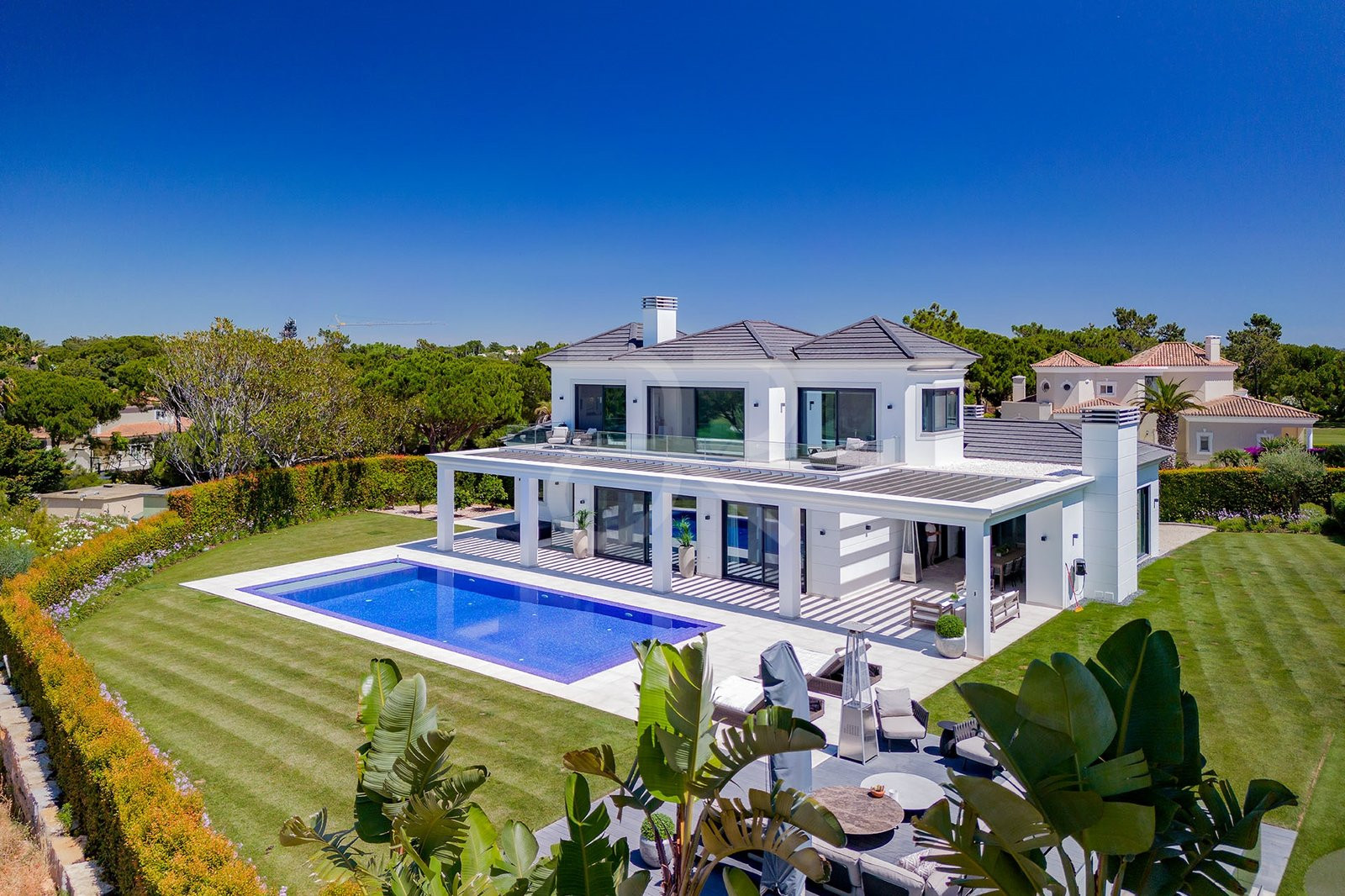


The Rental Economics of an Ultra Prime Quinta do Lago or Vale do Lobo Villa in 2026
Thu/Oct/2026 A good number of the buyers I meet in the Golden Triangle intend to let their villa for part of the year, and they arrive with a figure in their head for what it will earn. The question is sensible, because an ultra prime house in Quinta do Lago or Vale do Lobo sits empty for much of the year under most ownership patterns, and a well run let can cover a meaningful share of the running costs. What I try to do early is separate the romance of a rental income from the arithmetic of one, because the two are often a long way apart at this level.
Letting here is entirely workable, and the demand is real and seasonal. It does not, in my experience, produce a strong financial return in its own right. The gross figures look attractive on a brochure, the costs and the tax erode them more than owners expect, and the weeks that let for the most are usually the weeks the owner wants for themselves. This piece sets out how I walk a buyer through the rental economics before they factor any income into what they are willing to pay.
What an Ultra Prime Villa Actually Lets For
Start with the income, because it is the number buyers most want to hear. My own reading of the let market in these resorts, offered as advisory judgement rather than a quote, is that a strong four or five bedroom villa commands somewhere between 8,000 and 25,000 Euros a week in the peak of July and August, with the newest frontline houses at the top of that range and tired interior stock well below it. Those weekly figures are genuine, and they are also why buyers overestimate the annual total. The season is short. Reliable demand runs from roughly May to late September, so a well marketed prime villa realistically lets for twelve to eighteen weeks in a year rather than the thirty or forty a buyer tends to assume.
The weeks that earn the most are also the weeks an owner most wants the house, and every peak week kept back removes the highest value week from the calendar. Across the strongest houses I see, a genuinely available villa might gross around 150,000 to 220,000 Euros in a full season, and an owner who blocks the peak four or five weeks for their own use can halve the net return without noticing the weeks disappear. Against a capital value that, on a mid 2026 idealista benchmark near 7,712 Euros per square metre in Vale do Lobo and higher again in Quinta do Lago, runs comfortably into seven and eight figures, that gross income is a low single digit percentage before a single cost is paid.
The Registration and Compliance a Let Villa Needs
A villa cannot be let to holiday guests legally without being registered as Alojamento Local, Portugal's licensed category for short stay accommodation. Registration is made through the Balcao Unico Eletronico and recorded on the Registo Nacional de Alojamento Local, and the number it generates must appear on every listing and at the property itself. Behind it sit a valid habitation licence, civil liability insurance to the standard set by Portaria 248 of 2021, an energy certificate and registration of the activity with the tax authority. From the twentieth of May 2026 the booking platforms must verify each registration number under European rules and remove any listing whose number is invalid or missing, so an unregistered villa cannot be advertised on the mainstream channels. The Algarve remains open to new registrations, with no regional freeze of the kind seen in parts of Lisbon, and the compliance sits with the owner rather than with a sales agency.
How the Rental Income Is Taxed for a Non Resident Owner
Tax is where the gross figure shrinks most. For a non resident owner letting under the simplified Categoria B regime, the taxable base is 35 per cent of gross rental income, and a flat rate of 25 per cent then applies to that base, which works out at an effective charge of roughly 8.75 per cent of gross income. That is lighter than many buyers fear, but it sits on top of a second obligation that caught owners out recently. Since the first of July 2025 non residents have lost the small turnover exemption from VAT, so a non resident letting a villa must register for VAT from the first Euro of income, charge the reduced accommodation rate of 6 per cent on stays and appoint a fiscal representative in Portugal to handle the filings.
The older tax headline that drew buyers to Portugal has gone, since the non habitual resident regime closed to new entrants in 2024 and is not a route into cheaper rental taxation for anyone arriving now. I mention it because the question comes up in almost every conversation, and planning a purchase around an incentive that no longer exists is a costly way to start. The municipal property tax, the IMI, falls due each year whether the villa is let or not, so it belongs in the running cost column rather than the rental one, and the filing itself is work for your own accountant.
Who Runs the Villa and What It Costs to Keep Let
An ultra prime villa does not let itself. Guests at this level expect hotel standards, which means professional marketing, managed arrivals and departures, housekeeping between stays, and a team on call for the pool, the garden, the air conditioning and anything that fails during a stay. In Quinta do Lago the resort's own management arm handles lettings for many owners, and Vale do Lobo runs a comparable programme, alongside independent operators who cover both resorts. A full management service commonly takes between 20 and 30 per cent of gross rental income, and the direct costs of linen, cleaning, utilities, pool and garden maintenance and consumables sit on top of that. Put the management fee, the running costs and the tax together and a villa grossing 180,000 Euros in a season can quite easily return half of that or less to the owner, before any weeks are blocked for personal use. On a house worth several million Euros the net yield that remains is a low single digit figure.
How I Weigh Letting Into a Purchase
This is why I treat rental income as a way of offsetting the cost of ownership, not as a reason to buy. A let villa in either resort can comfortably cover its resort fees, its maintenance and a good part of its standing costs in a well run year, which is a sensible and achievable goal. Expecting it to generate a return that competes with a financial investment is where buyers come unstuck, and it often pushes them towards the wrong house, one chosen for its letting profile rather than for how they will actually use it. The villas that let most easily are usually the villas that are most pleasant to own, so the two aims tend to align when the house is right.
My role is to help a buyer find that house and to be honest about what it will and will not earn. If you are weighing the Quinta do Lago property for sale that suits a part time let, or the Vale do Lobo property for sale on the coast that a family will use through the summer, I can talk you through realistic rental expectations for the specific villa before you make an offer. The registration and the tax filing sit with your own accountant, and the day to day letting with a dedicated management operator, while the job of buying the right villa at the right price is mine.
Share
Related news

Culture & Style
Read More
Luxury Property in Quinta do Lago: Europe’s Elite Retreat
Discover why Quinta do Lago is Europe’s top destination for luxury property. Explore villas, lifestyle, investment potential,...

Buyer's Guide
Read More
Quinta do Lago Homes for Sale in Algarve, Portugal | 2025 Market Guide
Discover Quinta do Lago, Algarve’s premier luxury community. Explore villas, golf, schools, and amenities in Portugal’s exclusive...

Buyer's Guide
Read More
Quinta do Lago Rent or Buy: Discover Beachfront Bliss
Discover the charm of Quinta do Lago Beach in the Algarve. Explore lifestyle, property options, and whether...